



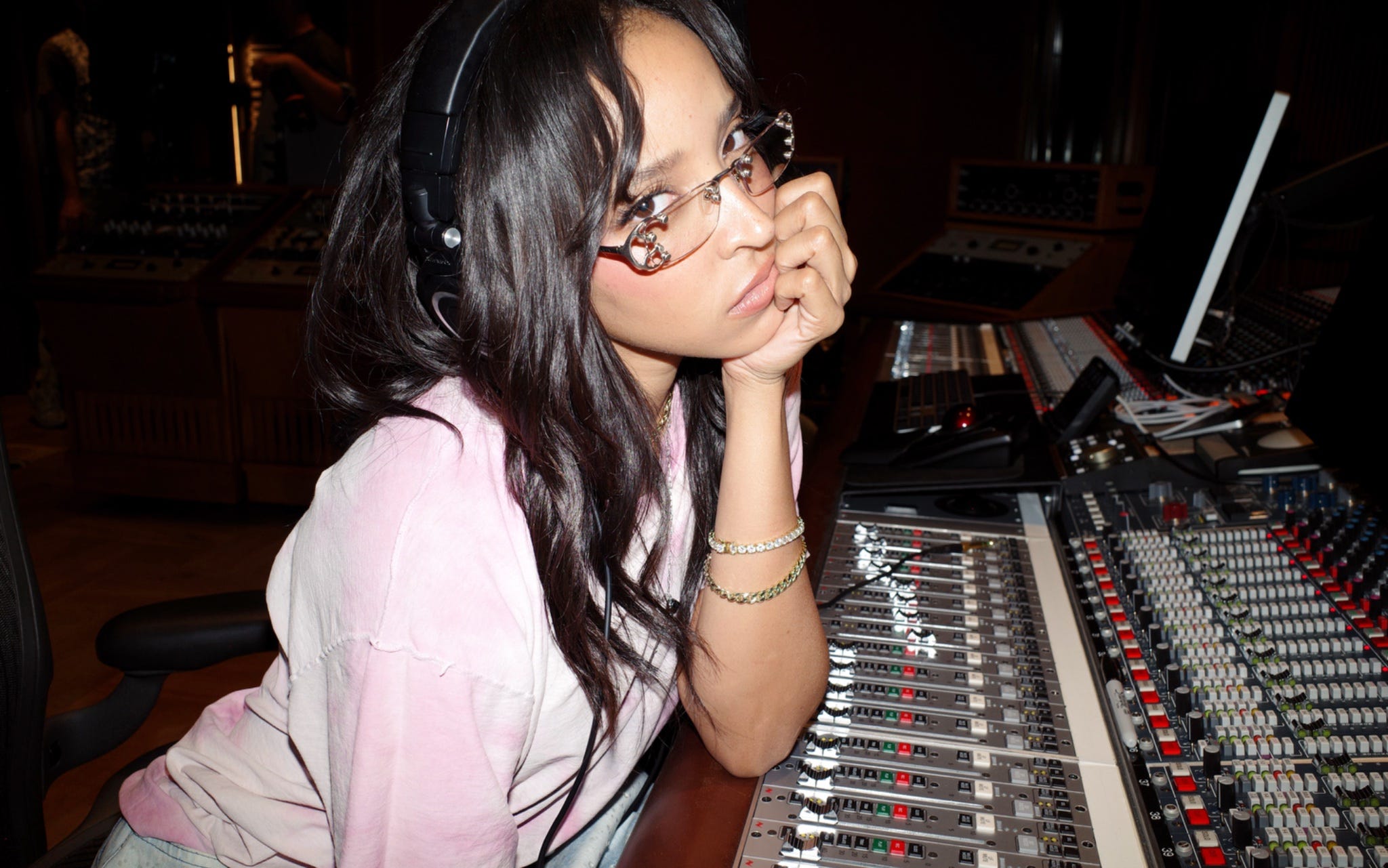
Tinashe has been a pop star for a long time. Before “Nasty” & “No Broke Boys” became impossible to escape, before Songs For You, before the internet collectively remembered just how good of a dancer she is. Before people who hadn’t checked in since “2 On” suddenly started asking where Tinashe had been: she was right here. Working.
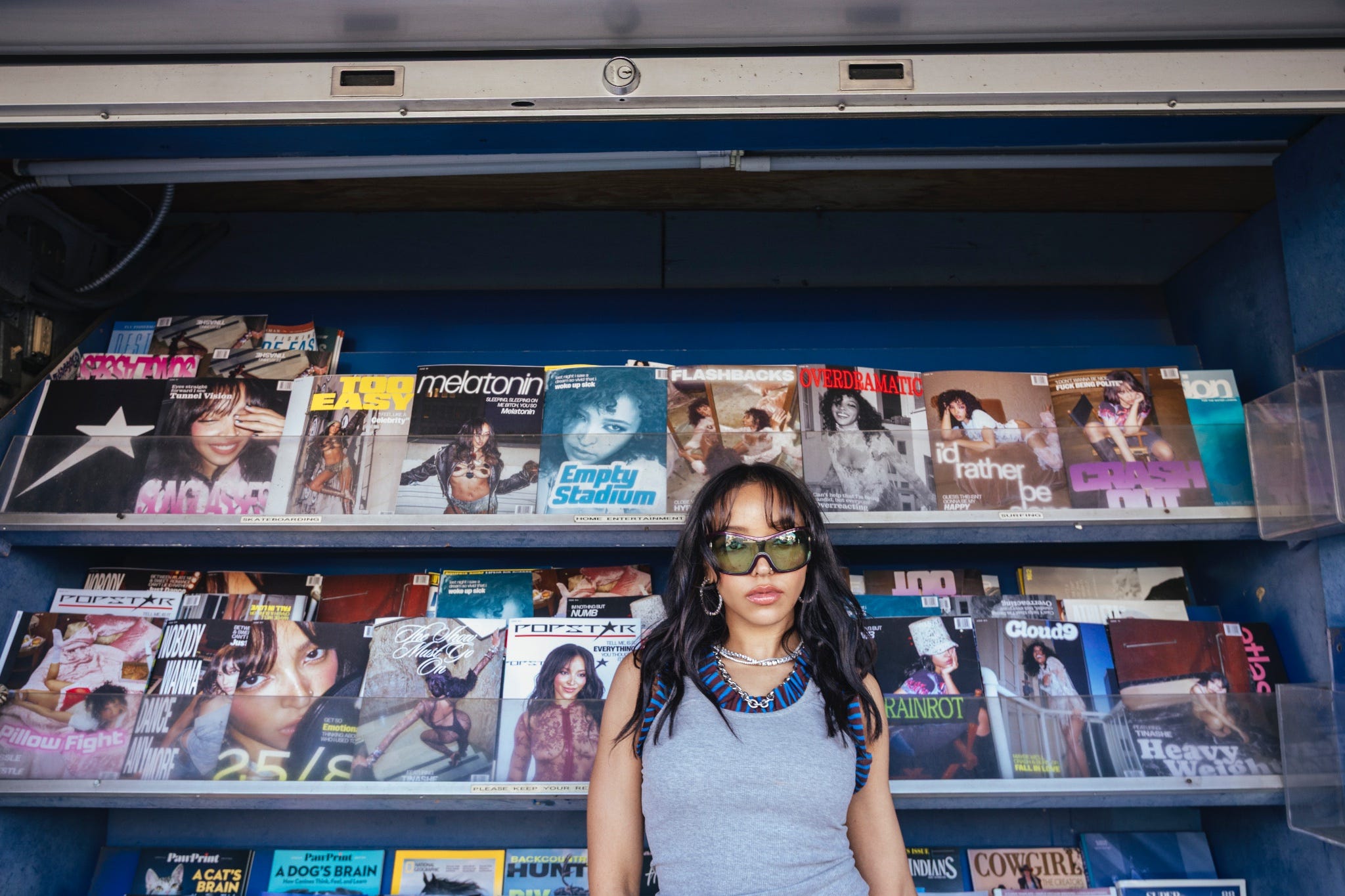
That’s what makes the title of her new album, Popstar, feel less like aspiration and more like declaration. The album arrives at an interesting point in Tinashe’s career. More people are watching now. More people are talking about her music, paying closer attention to her decisions, and inevitably weighing in on what songs she should release, what her album cover should look like, and what kind of artist she should be. But Tinashe has spent the last decade learning not to let those opinions drown out her own.
After parting ways with RCA Records in early 2019, Tinashe entered a period that would redefine her career. Songs for You arrived that same year, followed by 333, BB/ANG3L and Quantum Baby. Her music became freer. The visuals became more specific. The lines between R&B, pop, electronic music, and whatever else she felt like experimenting with became increasingly irrelevant. More importantly, Tinashe became more confident in being Tinashe.
In conversations about her independent career, she has spoken about rediscovering confidence in her own ideas and creative instincts. It sounds simple, but it might be one of the hardest things for an artist to hold onto. We talk constantly about what artists need to succeed: a catchy song, a great manager, a major label, a big marketing budget, playlist placements, radio spins, a viral TikTok, the right co-sign. All of those things can help. But what happens when you have resources and no longer trust your own taste? What happens when everybody in the room has an opinion about your career except you?
Tinashe’s story is interesting because it reminds us that sometimes the most important investment an artist can make isn’t financial. It’s belief.
The music industry loves proof. Streams, followers, ticket sales, engagement, previous hits. Before someone gives you money, they usually want evidence it's a good idea. Artists don’t always get that luxury. Sometimes you have to make the video before anyone knows the song. Sometimes you have to pay for the rehearsal, finance the tour, or release the project without knowing whether anyone will care. Sometimes you have to believe the idea is good simply because you think it’s good.
Tinashe has been doing some version of that for years. Her post-RCA career wasn’t built around waiting for another institution to tell her what she could become. She released music. She toured. She creative-directed. She experimented. She endlessly expanded the world around her work and eventually, the world caught up.
When “Nasty” went viral in 2024, it would have been easy to frame it as Tinashe’s comeback. But you can’t come back if you never left. “Nasty” wasn’t the beginning of Tinashe’s second act so much as a moment when a much larger audience finally walked into a room that was already pretty full. There were already albums there. There were sold-out tours already there. A world was already built for that moment to land on.
That’s the difference between going viral and building a career.
There’s something almost ironic about Tinashe naming this album Popstar. The word comes with a particular set of expectations: big budgets, big hits, choreography, spectacle, major labels, and mass appeal. Tinashe understands those expectations. She grew up admiring performers who made the idea of the popstar feel larger than life. Janet. Britney. Beyoncé. Xtina. But with Popstar, Tinashe got to define and question what the term means for herself. Even deeper, she got to redefine it for herself as a 33-year-old and answer the questions her child self also wanted answers to.
That distinction feels especially important for a Black woman whose music has spent years being shuffled between the walls of R&B and Pop. Black artists have long had to contend with the ways genre can function as both a music descriptor and an industry limitation. Tinashe’s music has rarely seemed interested in respecting those boundaries (in the best possible way). R&B sits next to electronic music. A dance record can exist beside something atmospheric or trap. She can give you iconic pop choreography and then make something that is weird and cold. The confidence isn’t in picking a lane. It’s in knowing that Tinashe is the lane.
And believing in yourself doesn’t mean believing every idea you have is perfect. Tinashe talks about that on songs like “Empty Stadium.” Believing in yourself means trusting yourself enough to see it through anyway.
That’s an important distinction because independence can become romanticized in conversations about music. An artist leaves a major label, finds success, and suddenly the lesson becomes that labels are bad and independence is good. But real life is more complicated. Money helps. Infrastructure helps. Distribution helps. Great teams help. Having people who understand how to turn an artistic vision into a sustainable career can change everything.
After years of rebuilding outside the traditional major-label structure, Tinashe can approach partnerships from a different position than she could earlier in her career. She has a catalog that demonstrates her instincts, an audience that she’s cultivated herself, and a creative identity that exists independently of whatever company logo appears on the back of a CD case. That’s leverage. And maybe that’s a healthier way of thinking about independence. Not as refusing help, but as knowing what you’re building well enough to recognize the right help when it arrives.
You can see a different version of that struggle in Chlöe Bailey. Chlöe entered her solo career with people already watching, eager to witness her ascent to superstardom. They knew her from Chlöe x Halle. They knew the harmonies, the musicianship, and the Beyoncé connection. More importantly (and unfortunately), they already had an idea of what Chlöe was supposed to be. Then she had the audacity to become somebody else in front of them.
Everybody had an opinion. Too sexy. Too theatrical. Too polished. Not enough of this. Too much of that. “Where are the hit songs?” and “Why is Beyoncé not supporting her more?” are some of the daily questions that come up on Twitter when you search Chlöe’s name.
Chlöe has spoken about how criticism around her solo career affected her confidence and made her question some of her instincts. Self-belief doesn’t mean insecurity disappears. It doesn’t mean every decision works, every song connects, or criticism suddenly stops hurting. Sometimes believing in yourself simply means doubt doesn’t get the final word.
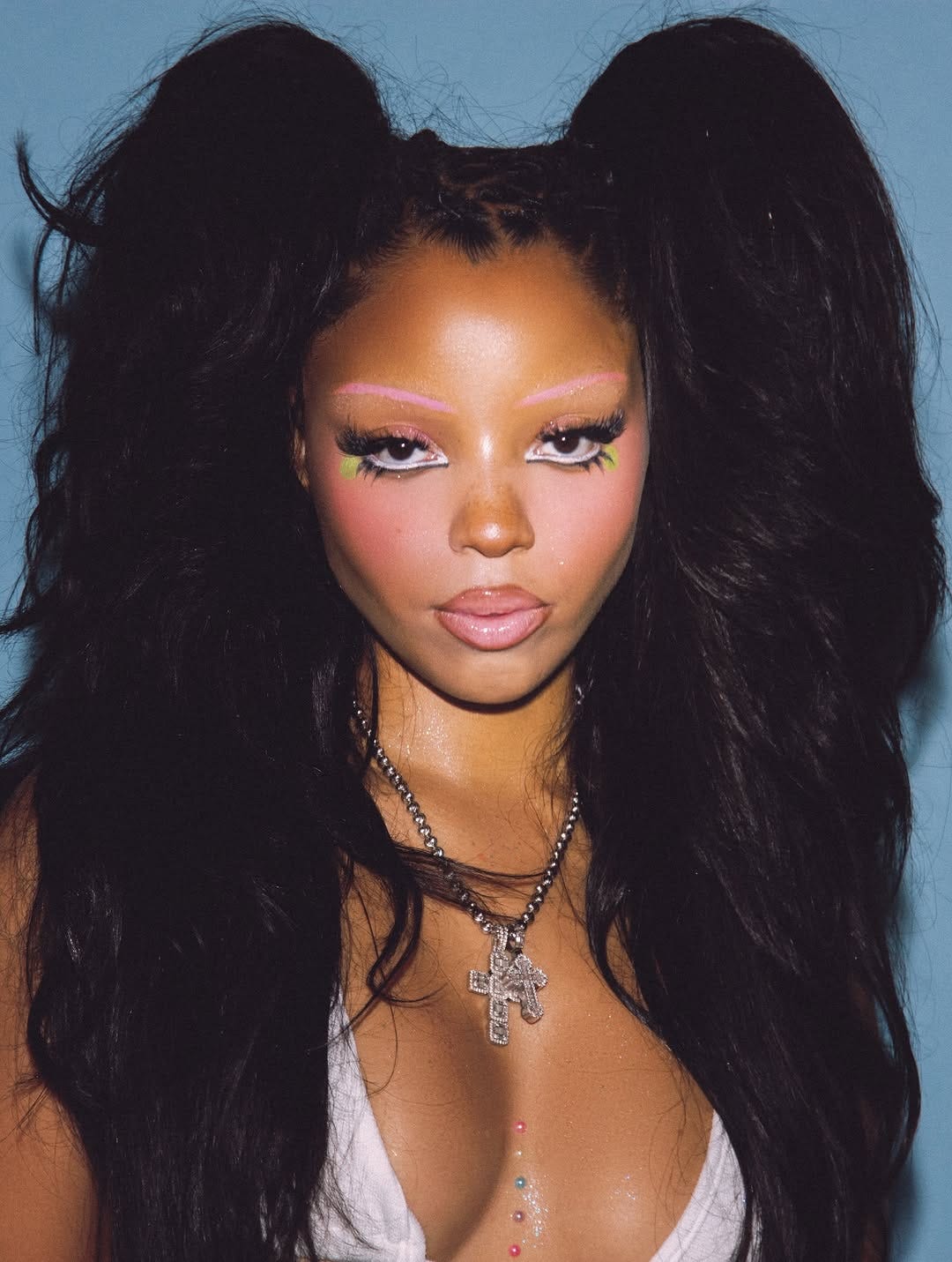
And that might be an even more difficult challenge than starting with nobody watching. What happens when you finally get the attention you wanted and discover that attention comes with thousands of people telling you who they think you should be?
You keep becoming anyway. You release the music you want. You fund your own music videos when the label decides they won’t do it for you. You show just how passionate you are about your art. And eventually people start to understand. I see it happening in real time with Chlöe’s ‘Resurrection’ mixtape. People are finally starting to see what Chlöe has been all along. They’re starting to trust her vision of who she wants to be as an artist – something that should’ve happened from jump.
Nobody understands the world around the music better than the person creating it. The artist knows why that photograph should be the cover, why that song deserves another listen, why the choreography needs another rehearsal, why the video needs one more scene, and why the weird song everyone says isn’t “a hit” absolutely belongs on the project. That doesn’t mean the artist is always right. It means their instincts deserve to be taken seriously, especially by themselves.
Artists have to be their first fan.
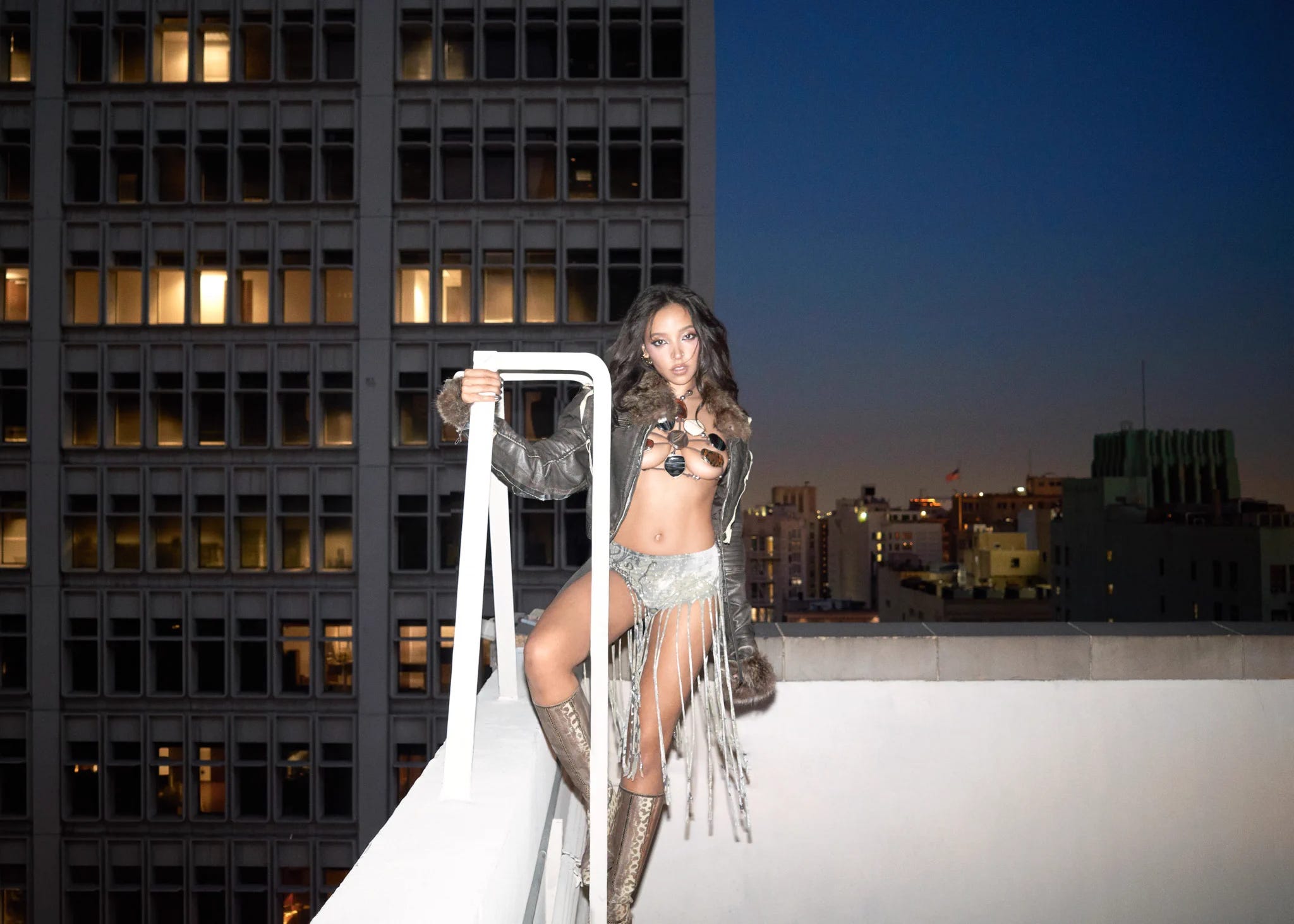
That’s ultimately what makes Tinashe’s current moment feel so satisfying. It isn’t simply that she’s experiencing greater visibility. It’s that the visibility arrived after the belief. She believed when the numbers were smaller. She believed when the budgets were different. She believed when her relationship with the industry changed. She believed through Songs for You, 333, BB/ANG3L and Quantum Baby. Then “Nasty” happened. And now she’s standing in front of us with an album called Popstar, and everyone else believes too.


There’s a lesson somewhere in that journey for every artist trying to figure out whether the thing in their head is worth pursuing. You might have a label behind you. You might have a manager who believes in you. You might have three friends willing to split the cost of a video. You might have $50 or $50,000. Resources change. The need to believe in what you’re building doesn’t.
The audience might be late. The algorithm might be late. But not you.