



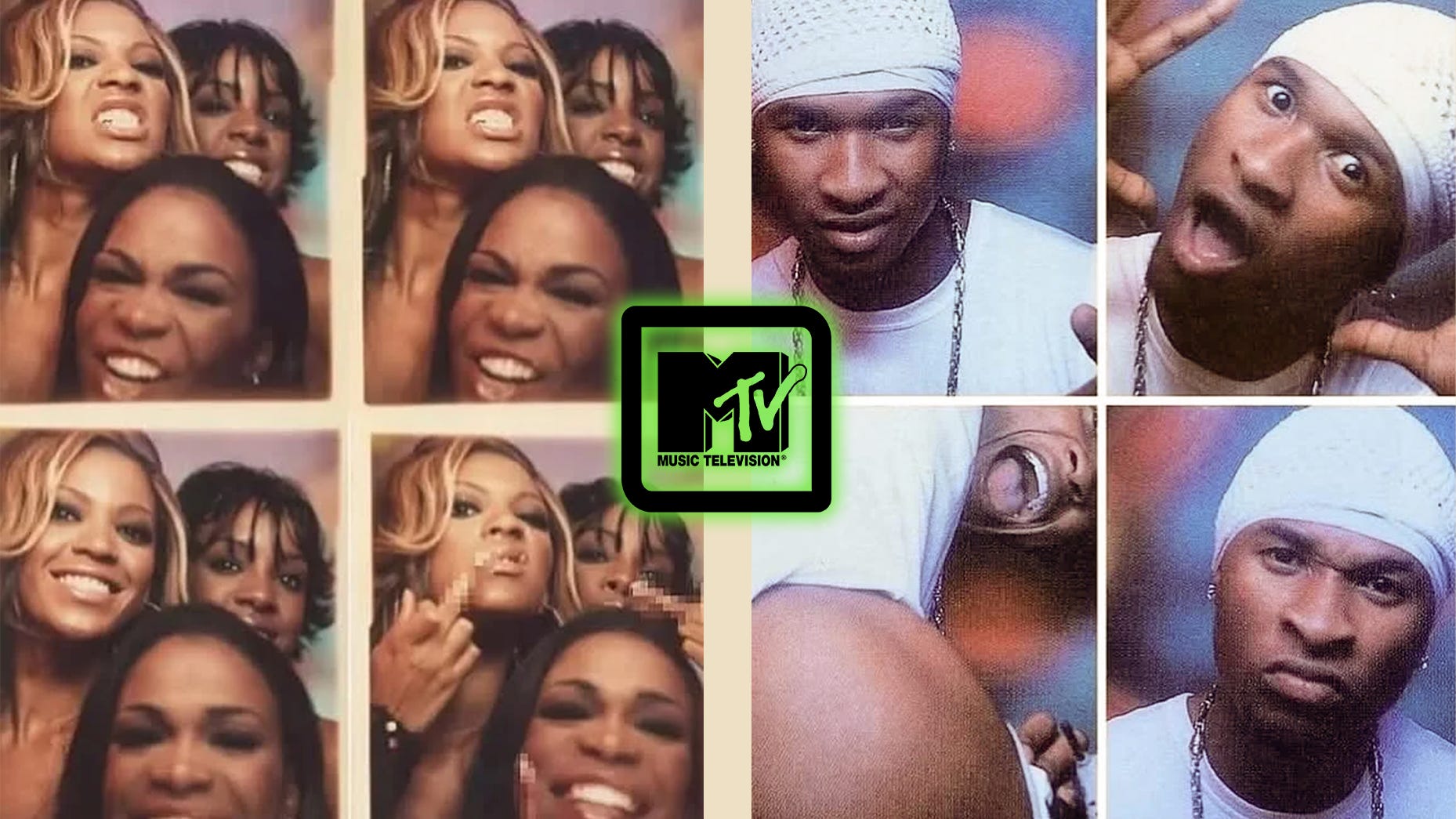
On August 1, 1981, MTV launched on TV screens for the first time, opening with the words, “Ladies and gentlemen, rock and roll,” followed by The Buggles’ “Video Killed the Radio Star.” At first, the network was heavily centered on rock music, but over the next decade it became one of the most influential forces in popular culture—and eventually, a very important home for Black music.
For R&B, that transformation was huge. Because the music video wasn’t simply a way to promote a single. It became another place for an artist to perform.
You could hear the record on the radio, but MTV gave you the opportunity to see the artist’s world. What they wore. How they moved. Who they were supposed to be. What their neighborhood looked like. What kind of love they were singing about. Whether they were glamorous, rebellious, mysterious, sexy, political, funny, or all of the above.
And during MTV’s golden years, R&B artists understood that the camera could be just as powerful as the microphone.
The Problem: MTV Wasn’t Built for Black Music
It’s easy to look back at MTV now and remember it as this universal music institution, but that’s not how it started.
The network’s early programming was heavily focused on rock, and Black artists struggled to get the same exposure as their white counterparts. In early 1983, the MTV playlist reportedly had around 60 videos, with only a handful from Black artists. Even as Michael Jackson’s “Billie Jean” climbed the pop charts, MTV initially resisted putting the video into rotation. Michael Jackson was already a massive star, but MTV’s reluctance to embrace Black artists meant that his success on the network wasn’t guaranteed.
When “Billie Jean” finally entered heavy rotation in 1983, it became the first video by a Black artist to receive that level of exposure on the network. Jackson followed it with “Beat It,” and then came “Thriller,” which completely changed the expectations surrounding what a music video could be.
Thriller reportedly cost around $1.1 million and ran roughly 14 minutes—an outrageous investment for a promotional video at the time.
Whitney Houston’s experience with MTV demonstrates just how much the network’s relationship with R&B had changed—and how much work was still left to do.
Houston’s early video for “You Give Good Love” was reportedly rejected by MTV because executives considered it too R&B-oriented. Houston later recalled that MTV eventually had no choice but to play “Saving All My Love for You” because of the song’s enormous success.
Then came “How Will I Know.”
In December 1985, the video was accepted by MTV and quickly went into heavy rotation. It became the first music video by a Black female artist to receive that kind of immediate heavy rotation on the network. Her videos became essential parts of her career– “If I Told You That” being my absolute favorite.
That’s the larger story of R&B, Black music, and MTV.
MTV’s Les Garland later recalled that the network would promote its airings in advance, and each broadcast created a ratings spike. MTV had discovered something important: people would tune in specifically to watch a music video.
When R&B Took Over the Screen
R&B’s women started creating some of the decade’s most recognizable visuals.
En Vogue, SWV, Xscape, Total, Destiny’s Child and TLC all understood that the music video could establish an entire group’s personality before the audience even knew all of their names.
SWV’s “Right Here” and “Weak” presented the group as young, stylish and effortlessly cool. Their debut It’s About Time became one of the defining R&B records of the early ‘90s, and their visual presence helped translate that sound to television.
And then there was TLC. TLC understood MTV probably better than almost anybody. “Waterfalls” won Video of the Year at the 1995 MTV Video Music Awards, along with three other awards. The GRAMMY Museum has described TLC as the defining R&B act of MTV’s “second generation,” specifically pointing to the group’s ability to combine dramatic storytelling with striking performance visuals.
The MTV Video Music Awards Told the Story
Mary J. Blige’s early music videos helped establish the visual identity of hip-hop soul. “Real Love,” “You Remind Me,” “Love No Limit” and “Be Happy” weren’t trying to make Mary look like some untouchable pop star. They branded her as the relatable girl from around the way Black people of all backgrounds could see themselves in.
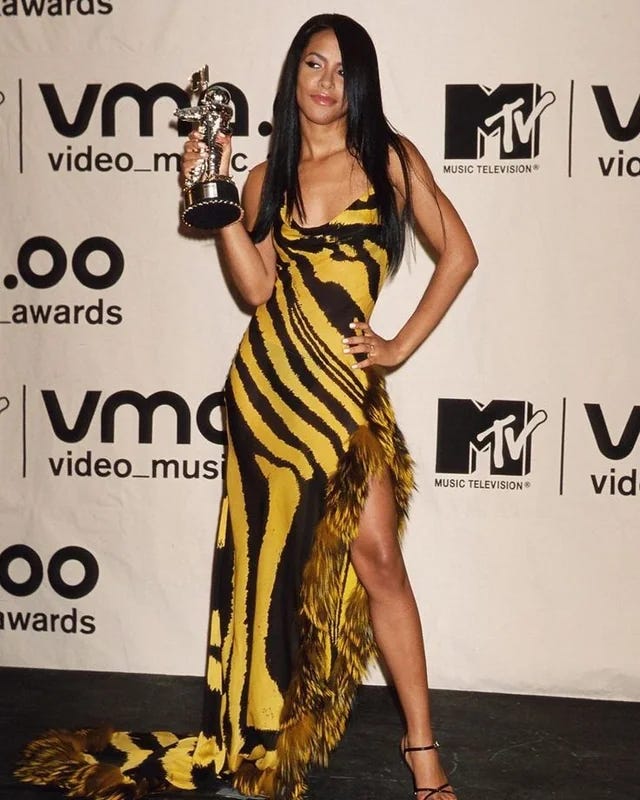
By the second half of the ‘90s, R&B music videos were getting sleeker, stranger, and more futuristic. “Are You That Somebody?” became one of the defining examples of late-’90s R&B video culture. The video premiered on MTV in 1998 and eventually became MTV’s most-played video for the week of September 20–27 that year. Complex later praised the video’s choreography and Aaliyah’s clothing as revolutionary for the era.
And that choreography mattered. That became one of the defining characteristics of late-’90s R&B videos. People watched these videos and immediately wanted to try the dance themselves. VH1’s retrospective of ‘90s R&B choreography specifically highlights “Are You That Somebody?” alongside videos from Usher, Monica, Next and Mýa as examples of the decade’s dance-heavy visual culture.
By the late ‘90s, MTV’s own awards were reflecting just how dominant R&B had become.
The Best R&B Video category included artists like D’Angelo, Erykah Badu, Toni Braxton, Brandy, Monica, Aaliyah, Usher, K-Ci & JoJo and Lauryn Hill across the decade.
The MTV Identity
After MTV, the image became part of the song’s identity.
You couldn’t hear “Real Love” without remembering Mary J. in those visuals. You couldn’t hear “Are You That Somebody?” without thinking about Aaliyah and that choreography. You couldn’t hear “Untitled” without remembering D’Angelo staring directly into the camera.
It made the visuals inseparable from the music. MTV’s TRL and BET’s 106 & Park became staples in every millennial music lover's life. And eventually, that would change the way artists approached albums altogether. Because once artists and labels realized that a song could have a new life by having its own visual world? It was nothing but magic.
Jamari Shelton is a Chicago-based entertainment writer and pop culture enthusiast covering breaking celebrity news, television, film, reality TV, and the internet moments everyone can’t stop talking about. She recently graduated from Columbia College Chicago with a degree in Broadcast Journalism and is passionate about telling stories that inform, entertain, and spark conversation.
I was thinking today how much I miss the shows/tv stations that gave us music videos all day long! Great read.
there arent enough emojis. they dont make a gif adequate. thank u. #MillennialReparations