



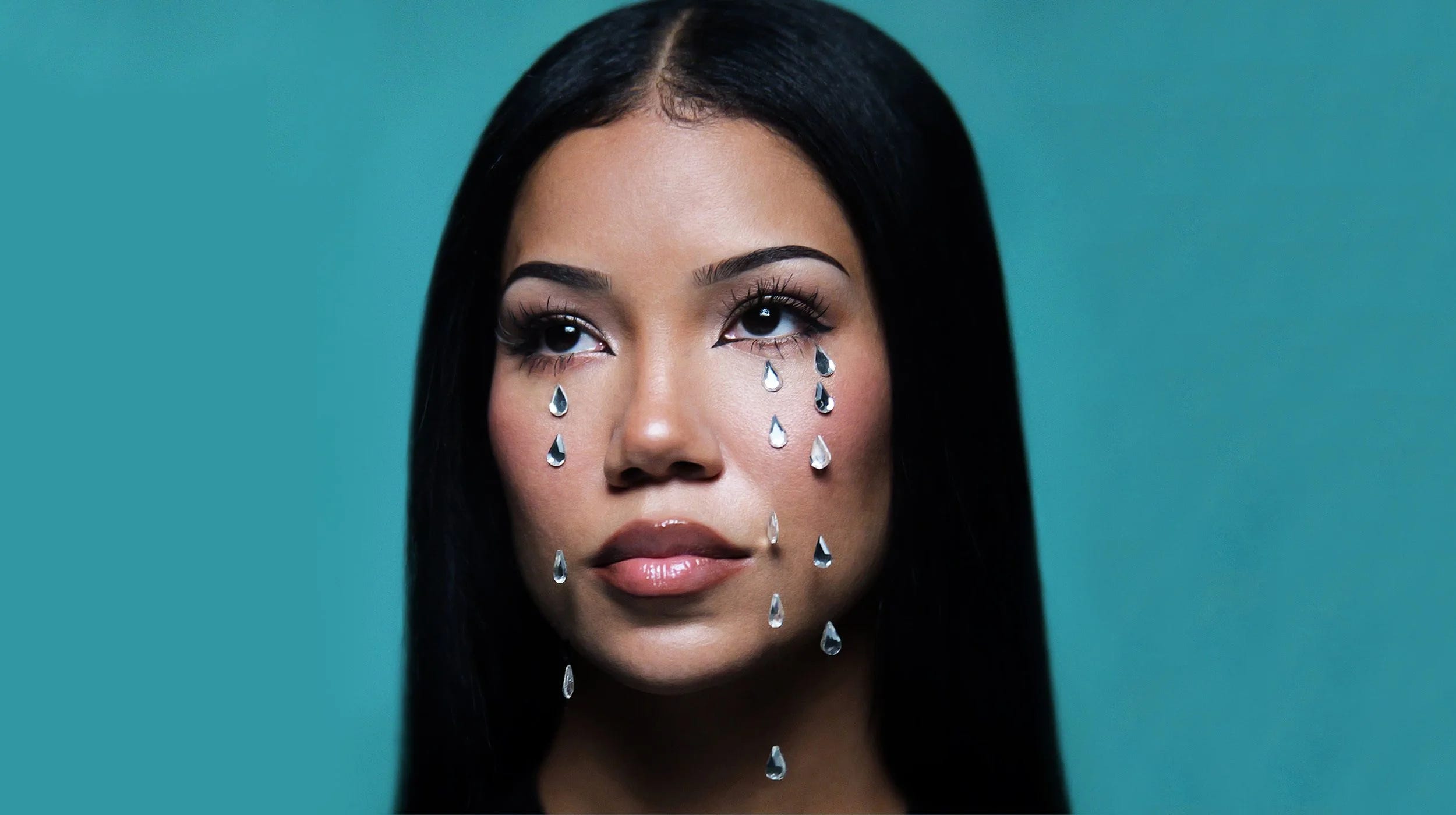
Jhene Aiko released her 4th studio album, Westside Whimsy, on September 11, bringing fans into a new world of songs, melodies, and poetic stories that only Jhene can make. But beyond the conversations about whether she’s talking about Big Sean or whether Twenty88 will ever record a follow-up album, another conversation seemed to spark up, rooted in a larger R&B talking point over the past 10-15 years.
One post, in particular, springboarded the online discourse around Jhene saying that she’s ruined R&B. Dejon Paul, a rap critic, said, “Jhene Aiko ruined R&B. Before she blew up, women would really SANG and had vocal range and sounded like the church in some capacity. Now all the R&B girls make that soft ass, hella low and quiet voicemail interlude music.”
Now, if this were a one-off comment in the void, I wouldn’t have much confusion, especially from a rap critic. However, going down the rabbit hole of tweet after tweet critiquing Jhene’s R&B style and casting her as this horrid infection in the genre really felt off. Especially when the supposed “disease” has existed for decades, even before her debut mixtape in 2011.
20 years after the term “R&B” was coined in the 1940s, Motown, the R&B hit machine, produced artists who could deliver gospel- and blues-like vocals as well as soft, melodic harmonies that are soothing to the ear. Beyond vocal powerhouses like The Temptations, Gladys Knight and the Pips, and Stevie Wonder, the label was also home to light, airy songstresses like Brenda Holloway and the famed Diana Ross and the Supremes.
Commercial crossover appeal through calmer, more flowy vocals and melodies that aimed to float rather than flood became the hallmark of vocalists in this space within R&B. The Supremes produced 20 chart-topping hits and were among the most popular artists of their time. They crafted some of the most influential R&B and Pop songs in history with this vocal delivery. If that doesn’t say anything, I don’t know what else does.
Other names with lighter vocal deliveries and softer approaches that come to mind include Minnie Riperton, Deniece Williams, Stephanie Mills, Janet Jackson, Sade, and so on. And that’s before even crossing into the 21st century.
One song that, to me, could only be delivered with this lighter, airy approach to vocals and production is “Lovin’ You” by Minnie Riperton. The ease and calm Minnie shows through the control of her voice, along with the peaceful styling of Richard Ripperton’s production, are qualities a singer with this type of voice and feeling can produce.
Beyond their “sanger” counterparts, these artists and their work resonate with listeners because of their stylistic choices, their lyrical relatability, their earworm melodies, etc. Providing ways to bring the themes of rhythm and blues to the average consumer beyond a power vocalist is just as essential as having singers who blow up and down the entire musical scale.
From the early 2000s to the 2010s, artists like Mýa, Ashanti, Corinne Bailey Rae, Ciara, and others continued to create music that floated vocally, even with heavier, more hip-hop-influenced instrumentals entering the arena. Still, they're proving they can create names that dominate within the R&B genre, without the vocal stature of artists like Beyoncé or Jazmine Sullivan. Especially when these same artists make songs that work better when they reach into a more falsetto-y tone that modern artists like Jhene Aiko thrive in.
Now this takes us to today, where there are still tons of heavy-hitter vocalists like Coco Jones, FLO, Raye, and H.E.R., among so many others. Still, the mellower side of R&B has great songstresses like Alex Isley, Cleo Sol, Summer Walker, and, of course, Jhene Aiko. To pretend there aren’t enough artists in both worlds is to be blind to the world of music around us.
Even with this critique of Jhene Aiko’s current album, artists like LAYA are singing all the way down on her latest release “Yeeha.” A legend like Lalah Hathaway shows that vocal agility is still present in R&B on her upcoming album release “Made In Chicago,”. There’s always room for all of these worlds to coexist and be appreciated.
Jhene’s work, especially, is always an essential part of the many sounds that thrive and sew themselves into the tapestry of R&B. Songs like “So Good”, “He Belongs”, and “I Don’t Mind” were some of my favorites, bringing us into this new era of Jhene’s work. Her brand of R&B, like that of her counterparts and those who came before her, remains an essential part of why people continue to love and appreciate the genre, even if some who don’t know better consider it moody voicemail music.
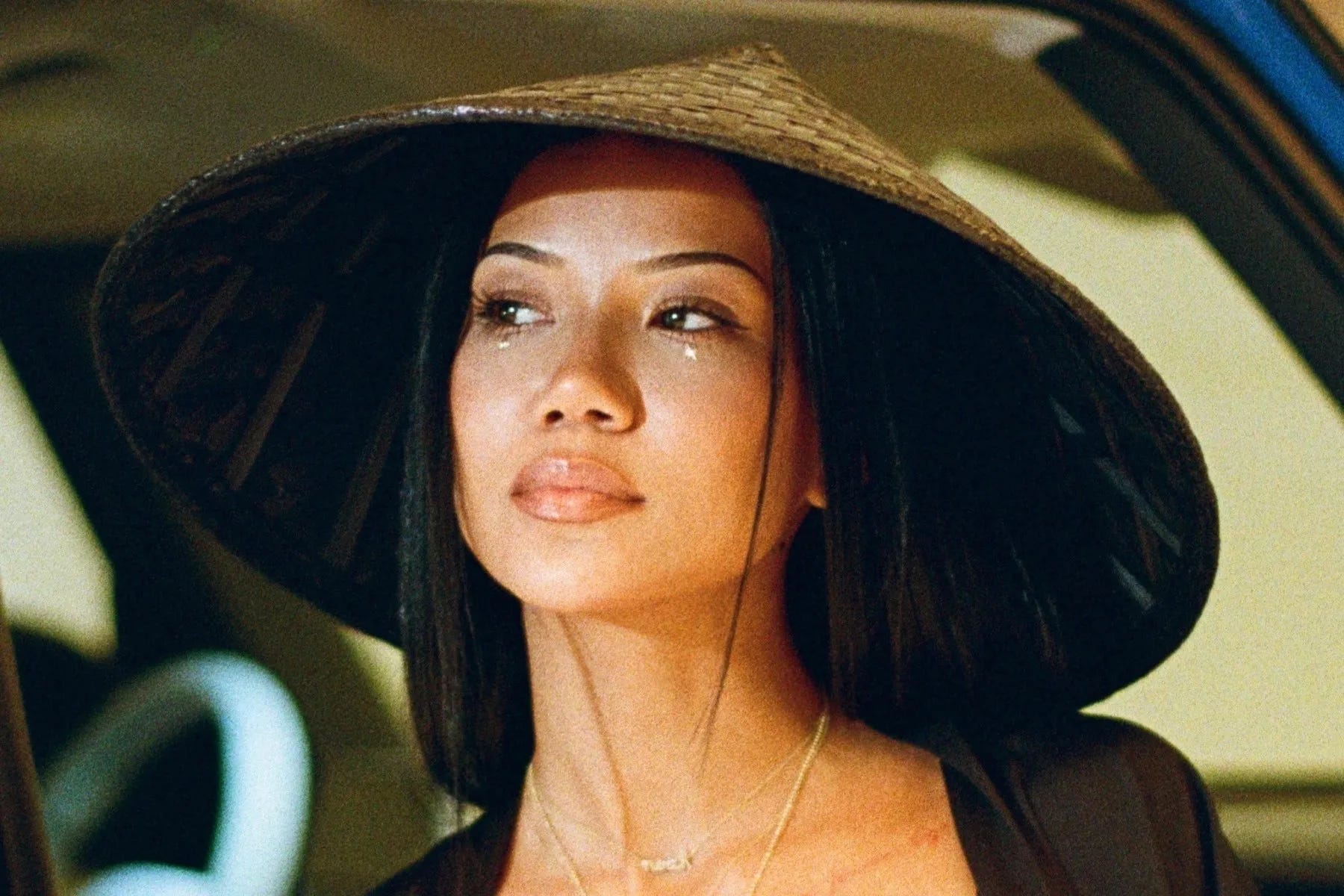
I appreciate this take because I’ve grown weary of “whisper singer” discourse. People will call anyone who doesn’t belt in a lower register a whisper singer. Someone told me Kelela was a whisper singer which is insane because her falsettos contain so much power!
I think the average listener doesn’t understand the nuances of vocal technique outside of hearing a voice so powerful they wanna throw a shoe at them.
Jhene’s biggest vocal influence is Brandy, whose tone is known for its kind of airy quality. But B is a master at vocal runs and stacking with a dynamic catalog. I think my sonic critique of Jhene isn’t her voice, I’ve actually heard it get stronger in recent live performances. It’s her overall sound. A general critique I have of this current generation of R&B artists is that I always know what to expect when most of them put out a new album. She’s proven she’s a great lyricist, we know she’s going to give us a chill vibe, a spiritual vibe, a cuss that man out vibe, some west coast shit, but what else? I’d love to see her step outside of her comfort zone and play with different sounds that would allow her to use her voice in a new way and challenge her audience.