



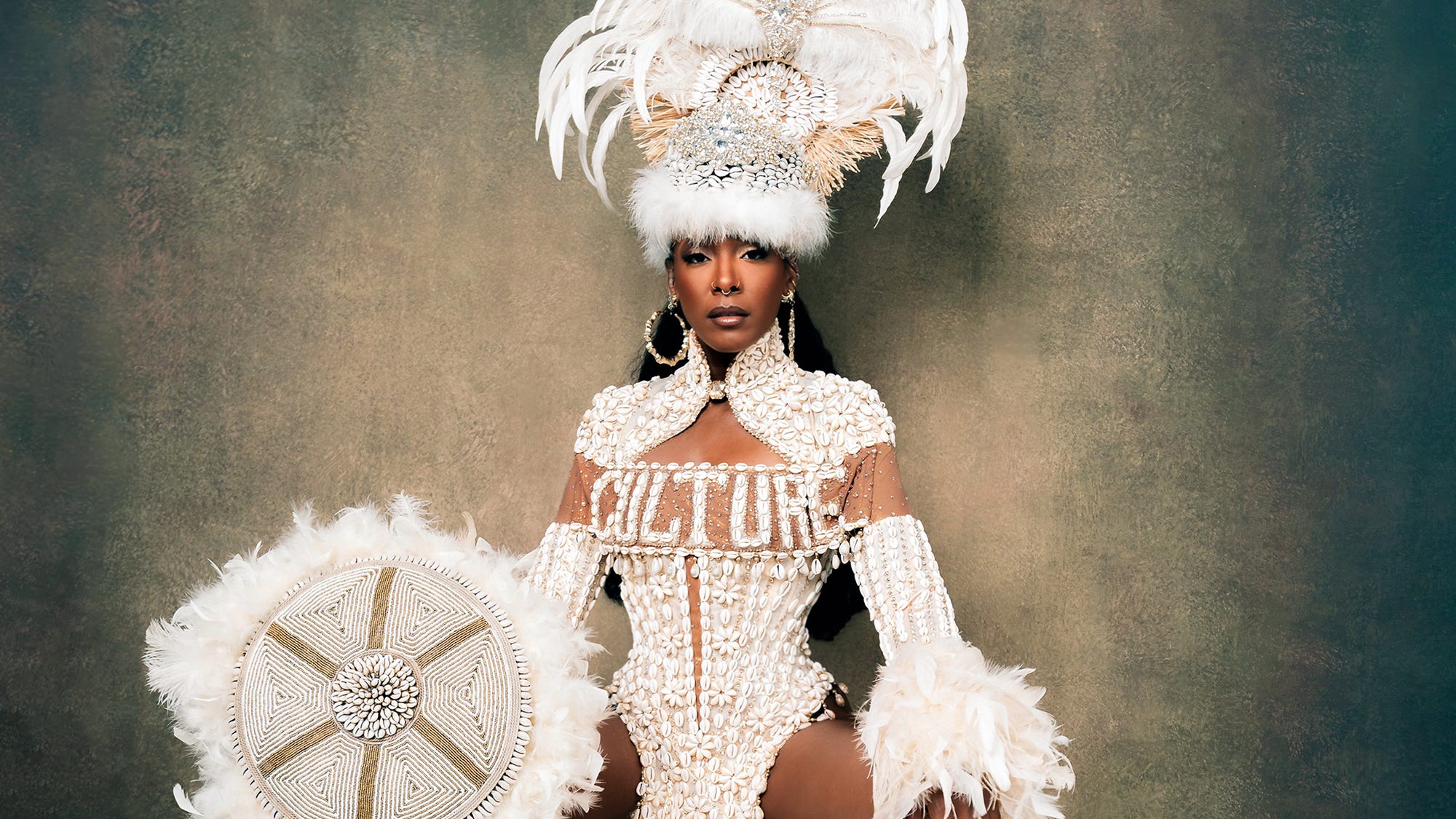
It’s a hot day at the end of August in New Orleans, Louisiana, where I meet the world builder that is Dawn Richard (pronounced “ree-shard”) for our Culture Issue cover shoot. Why New Orleans? Because there was nowhere else it could have happened. It’s the city that we both have familial roots in. It’s the city Dawn’s spent two decades rebuilding in her own image, and photographing her anywhere else would have been a lie The Culture Issue couldn’t afford to tell.
A certain kind of confidence comes only from surviving your own history. Dawn Richard has spent nearly two decades learning to make something out of whatever she's been handed: a girl group, a record deal, a breakup, an unconventional solo career, an independent path, a city full of musical history, and a family full of artists. She has never seemed particularly interested in asking for permission. Instead, she builds.
Before The World Knew Her
That instinct goes all the way back to New Orleans, where Dawn grew up surrounded by people who understood that creativity wasn’t separate from everyday life. Her mother ran a dance school that became a gathering place for the local community. Her father was a musician in the funk and soul group Chocolate Milk, signed to RCA. Her parents were artists, educators, entrepreneurs and, as Dawn remembers it, people with an almost comical number of jobs. “I was inspired by my pops and my mom. They were two hardworking people who somehow managed to be everywhere for their kids but also have seven, 30, 300 jobs.”
In the Richard household, hard work was a family value, but a career in music was never treated like a guarantee. Her father’s experience in the industry had already shown the family how complicated a creative life could be. Music was encouraged as an escape, but academics were the foundation.
“I did not discover that I wanted to do this as a career,” she says. “Music and dance were art, but as a career…there needed to be something to follow back on.”


That changed when Richard was a teenager. At 16 or 17, Anthony Hamilton invited her to open for him during a show at the UNO Lakefront Arena in New Orleans. For the first time, the thing she had always done simply because she loved it suddenly felt possible in a different way. “I always was doing it, but I never saw the possibilities until I felt the response of the people.”
That moment became a kind of permission slip. Not from the industry, but from herself. Dawn still remembers Hamilton taking that chance on her. “You just never know when someone takes a chance on you what it means to them.”
Years later, that same belief in taking a chance on yourself would become one of the defining themes of her career. For millions of people, Dawn Richard’s introduction to the music industry came through MTV’s reality TV competition series Making the Band and the pop girl group Danity Kane. The group became a genuine cultural phenomenon in the late 2000s, but when Richard looks back on that era, one of her clearest memories isn’t a chart position or a television moment. It’s sewing.
“We were willing to sew our own costumes,” she says. “We didn’t care that no one believed in us.” During a tour opening for Christina Aguilera and The Pussycat Dolls, Dawn and her groupmates (Aundrea Fimbres, Aubrey O’Day, Shannon Bex, and D. Woods) found themselves making their own costumes from Forever 21 pieces. It wasn’t glamorous, but the memory has stayed with her.
“It wasn’t one person sewing,” she says. “It was an assembly line.”
There is something almost perfectly “Dawn” about that image. The glamour comes later, but first comes the work. What she remembers most fondly, though, isn’t simply the resourcefulness it took to make those costumes. It’s the feeling of having four other women who were just as invested in the dream as she was.
“You can have it for yourself, but when you have other people wanting the same dream as you and desperate for it... it felt good to feel not alone in that process.”


That instinct followed Richard beyond Danity Kane. Her career refused to move in a straight line. She joined the chart-topping Hip-Hop/R&B group Dirty Money before embarking on a solo career that pushed her into increasingly experimental territory.
Her solo music has moved between R&B, electronic, pop, dance, and folk genres, often resisting the easy categories the industry prefers. Along the way, she has continued building a body of work that feels unmistakably her own. And has done so as an independent artist.
And then came the hearts.
Goldenheart in 2013, Blackheart in 2015, and Redemption in 2016 formed an ambitious trilogy that allowed Richard to build an entire musical universe outside the expectations attached to the woman audiences first met in Danity Kane. Goldenheart was grand and mythic, turning heartbreak into battle scenes over R&B, house and electronic production. Blackheart went darker and stranger, pulling those ideas further into abstraction. By Redemption, the dance floor itself had become a place for release, reflection and possibility. Across the three albums, Richard treated genre less like a set of rules and more like raw material.
Looking back now, that run feels even more important. Before “genreless” became an easy way to market an artist, Black women like Dawn were already challenging the idea that R&B had to look or sound one particular way. Alongside artists like Kelela, Rochelle Jordan and Tinashe, she helped widen the possibilities for Black women working between R&B, electronic music, dance and pop. Their careers aren’t interchangeable, and neither are their sounds, but together they helped make the borders feel a lot less fixed.
For Dawn, that wasn’t only a sonic choice. It was changing the image of what a Black female artist could be. She could come from a platinum-selling pop group and make left-field electronic records. She could be feminine and futuristic, pop-minded and experimental, independent and deeply conceptual. She could make records for the club that still demanded to be sat with. She could care about choreography, technology, fashion, animation, world-building and R&B at the same time without choosing which version of herself audiences would find easiest to understand.
Building Without Permission
Imagine the exhaustion of having to prove you belong somewhere over and over again. Dawn knows it well. The music industry has changed considerably since her earliest days in Danity Kane, but maintaining a career hasn't gotten any easier. For independent artists, the job extends far beyond making the music. There is the business, the promotion, the visibility, and the constant work of finding new ways to reach people without a major-label machine behind you.
“Imagine when you have none of that,” she says. “To stay consistent after 15 and 20 years is so difficult. So I gotta work 20 times harder. And then I’m Black. And then I’m a woman. Add it on, baby!”
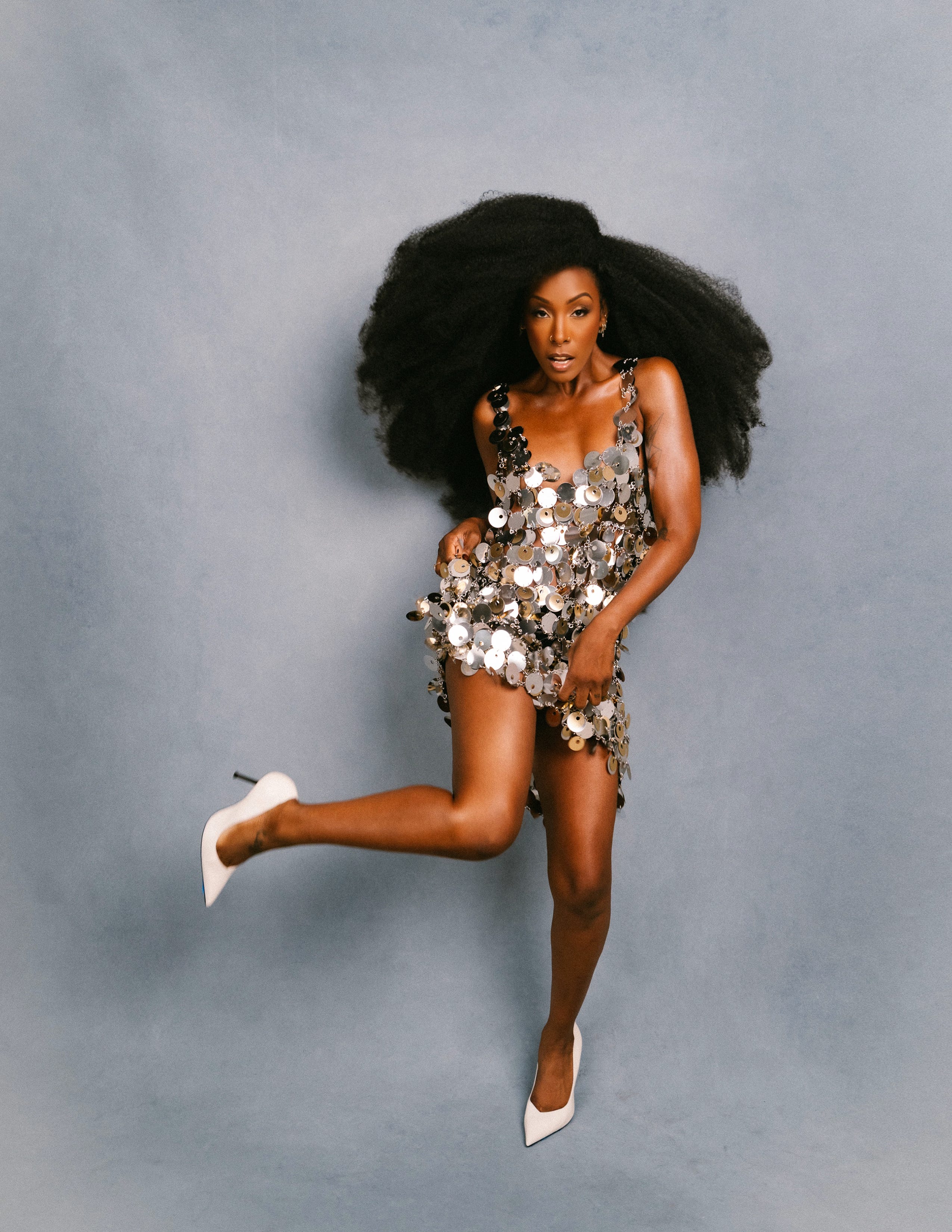
Dawn has little interest in spending that extra energy convincing people who aren’t paying attention. Or convincing her peers, who pay attention in secret, while looking to her for inspiration. “I don’t deal with that because it’s not my problem to deal with whether or not people believe in my innovation,” she says. “I’m grateful that I’m on people’s mood boards, but I’d be just as happy if not. I’m still gonna do me whether I’m there or not.”
That freedom has also pushed her to think beyond her own records. “What I care about is how I can constantly build things that can help others. I’m here for the people who do care, not for the ones who don’t.”
Validation is nice. Building is necessary. But what Dawn wants to be known for goes beyond a hit or chart success. “I wanna be a world builder.”
The phrase feels almost like a mission statement, but she isn’t talking about some far-off creative ambition. For Dawn, being a Black artist whose work lives at the intersection of music, technology, history, and culture comes with a responsibility.
“To be a world builder is imperative and important because we have been stripped of our lands and our culture, and oftentimes our languages and our stories.”
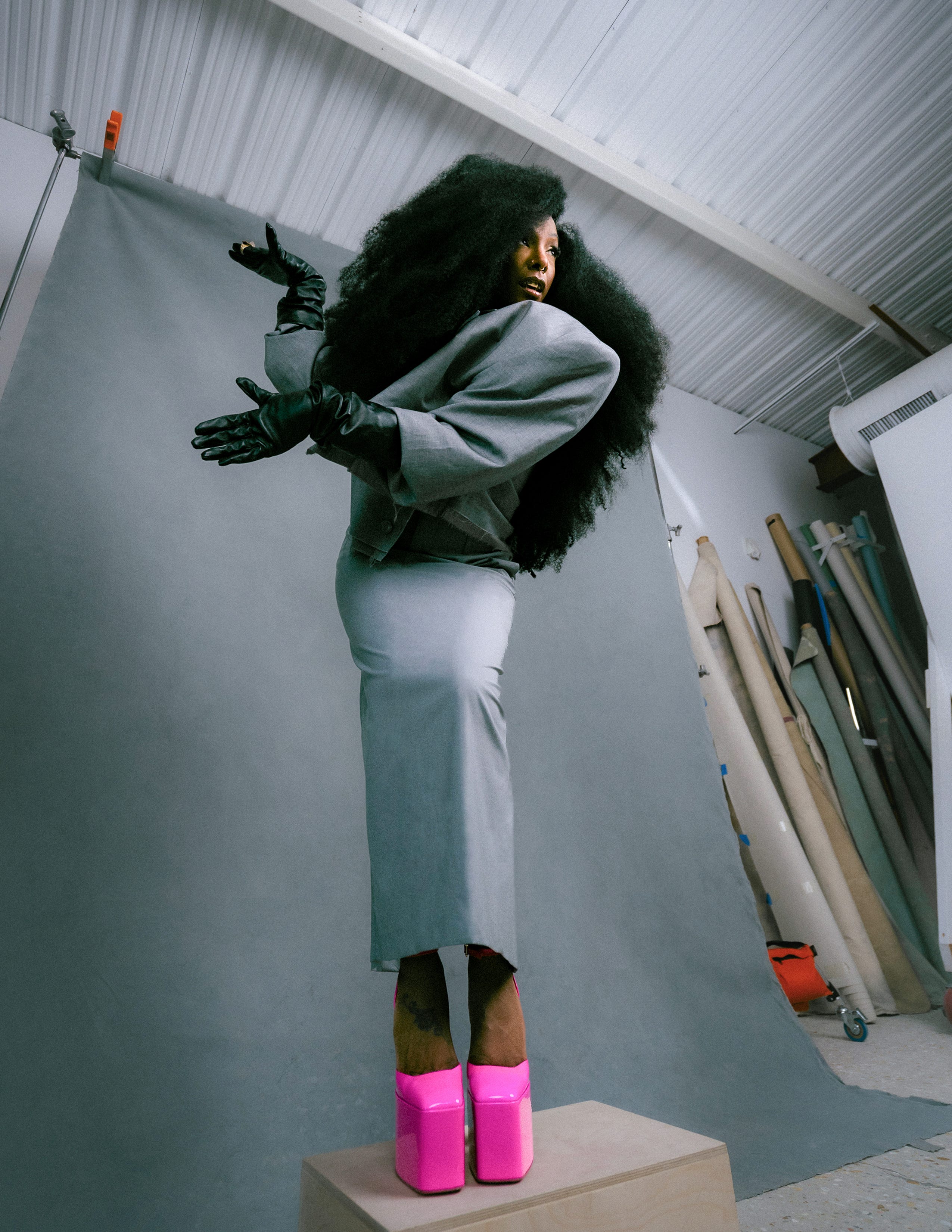
World-building usually brings to mind creating something completely new. Dawn is just as interested in what already exists. She isn't trying to leave the past behind in pursuit of the future. It’s the material she builds the future from.
“Because I want my worlds to be authentic and honest, it has to lean into ancestry, archives, roots. And what better way to build a world from the veins of the people that have built it before us?”
What (Creole) Culture Sounds Like
That philosophy sits at the center of Creole Culture, the forthcoming album (out October 9, 2026) that completes the trilogy Dawn began with New Breed and continued with Second Line. What started as an exploration of her New Orleans roots has become something more personal, with each project offering a different view of the city and the family that shaped her.
“I hadn’t realized that I’d been telling the story through my father’s eyes with New Breed, through my mom’s eyes with Second Line...but I hadn’t had mine,” she says. “So I thought I could finish it off by telling my perspective of the culture of New Orleans.”
The triptych was not necessarily planned from the beginning. Richard originally believed the story had reached its conclusion with Second Line, but as she began making music for this new era, she kept finding her way back to the same cultural foundation.
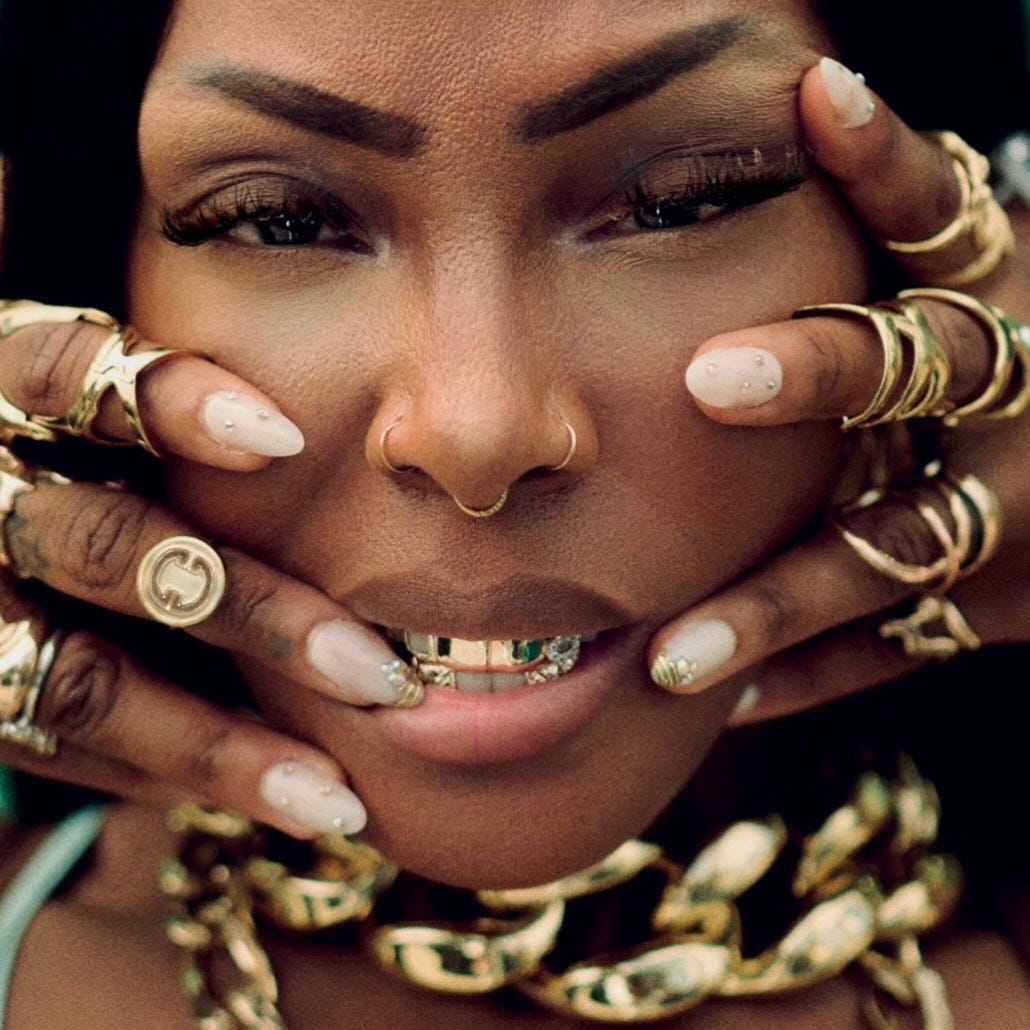
With Creole Culture, she isn’t simply documenting what New Orleans was. She is asking what its traditions can become next.
The album reaches into Louisiana's language, instrumentation, and people. Richard incorporates Kouri-Vini, the Louisiana Creole language, into the album’s interludes, working with Clifford St. Laurent, one of the people teaching the language to a new generation. She pulls from instruments associated with zydeco and Creole Cajun music, including the washboard, triangle, and banjo, but approaches them from a contemporary perspective. She also brings in local New Orleans talent like bounce legend Big Freedia, Tank & The Bangas frontwoman Tarriona “Tank” Ball, Anjelika Jelly Joseph, and her father Frank Richard.
“I thought it’d be really cool to modernize something that has been a part of Louisiana’s culture for a very long time,” she says. The project is led by the single “baby, can we?” featuring 2026 GRAMMY winner Durand Bernarr.
Nothing on Creole Culture feels included just because it sounds good. The language, the instruments, the people — all of it points back to her roots. Dawn is taking pieces of the culture that have been here for generations and giving them another place to live.
“Culture is what New Orleans people wake up and do every day.”
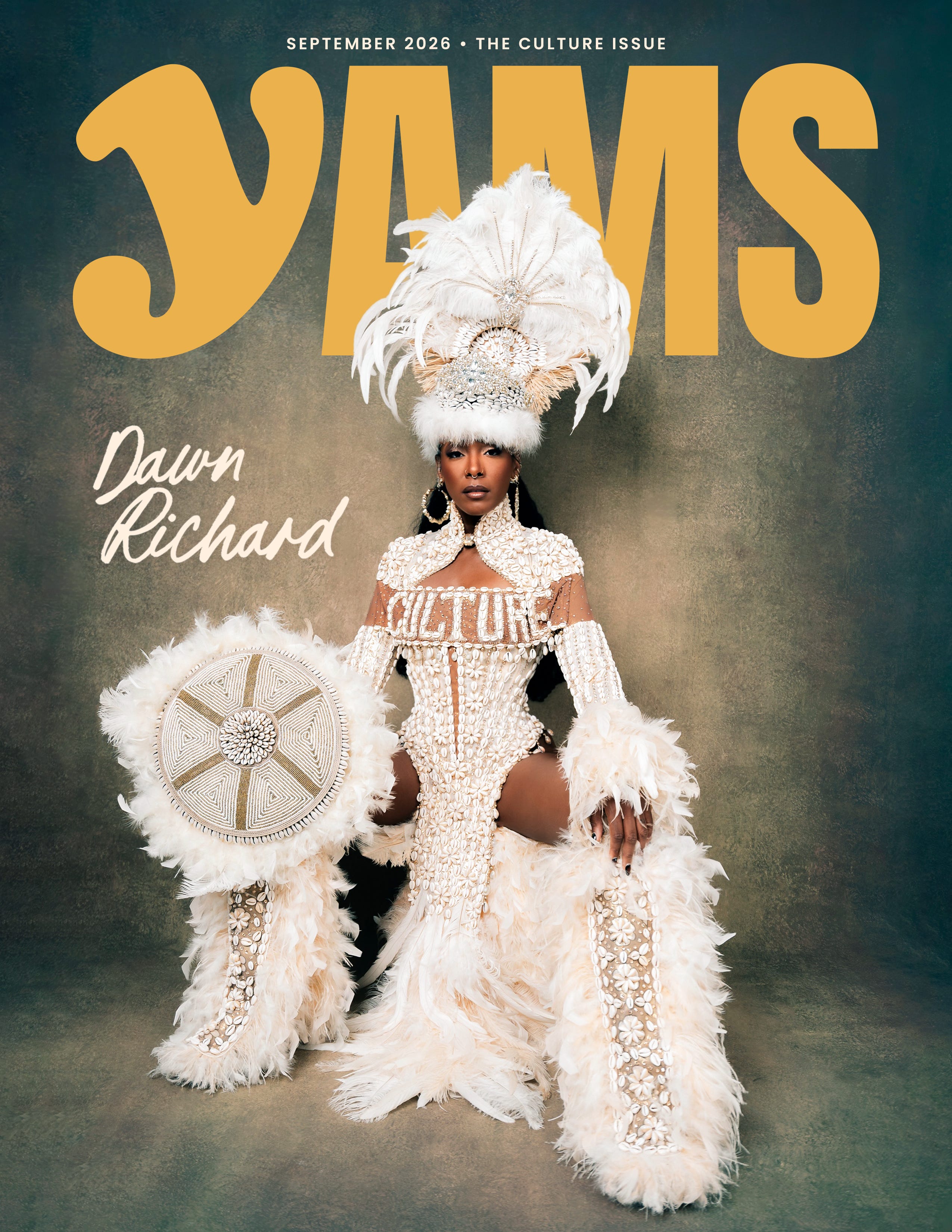
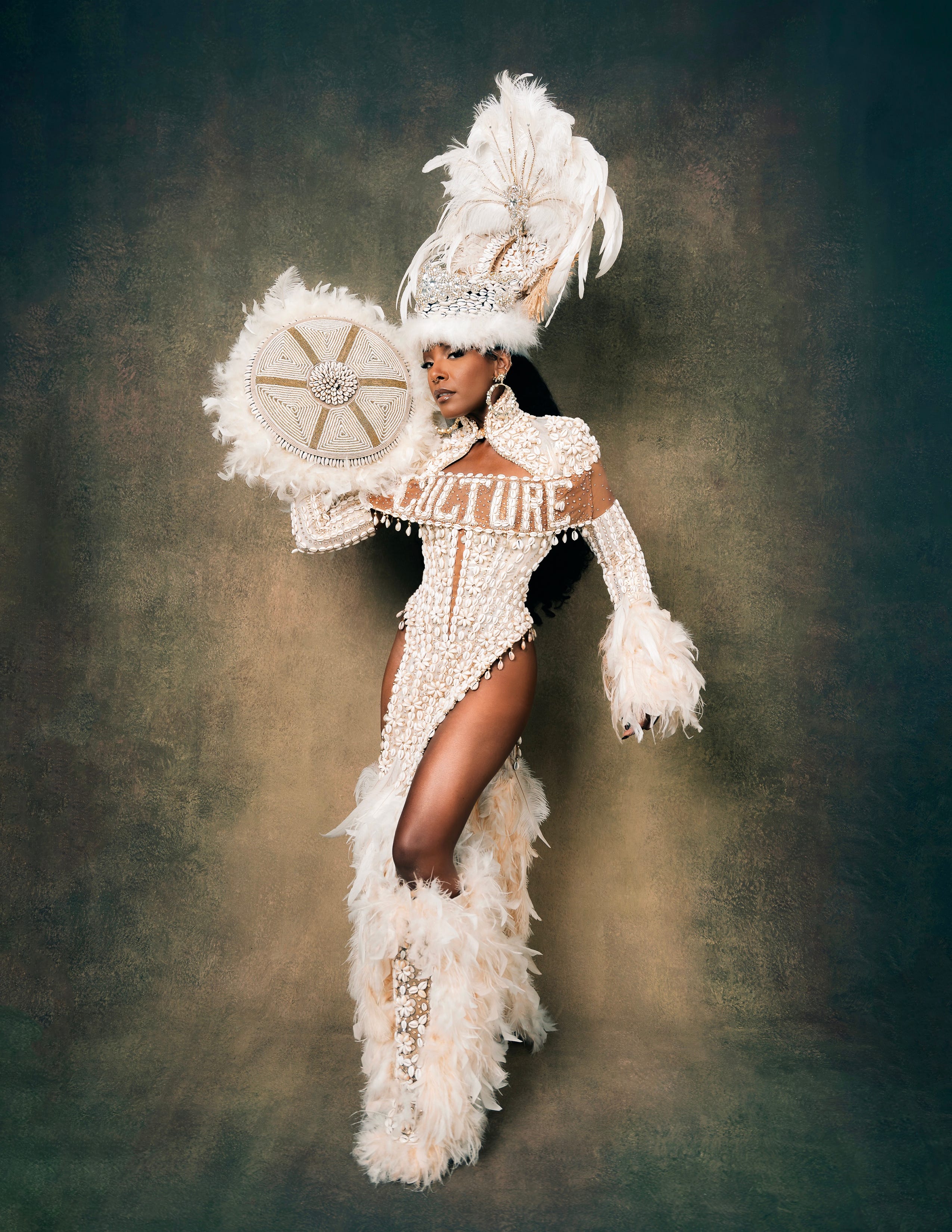
You can see that idea before you ever hear the album. In the images from our cover shoot, Dawn wears a suit rooted in New Orleans’ Mardi Gras Indian tradition, also known as Black Masking Indian culture. The hand-beaded, feathered suits are among the city’s most recognizable forms of folk art, but calling them costumes almost feels too small. They can take an entire year to sew by hand. Every beaded detail becomes part of a tradition built on craft, community, pride, and passing knowledge from one generation to the next.
What might simply read as spectacular fashion to someone outside New Orleans is, for Dawn, part of a much longer conversation about family, craftsmanship, and who gets to carry culture forward.


For Richard, the city’s identity lives in the details that don’t always make it into the glossy representations of New Orleans. It’s in the potholes and the pavement, the shutters on houses that have seen better days, the corner store that still sells the same hot pickle or crawfish people have been buying for decades, and the Vietnamese hair store you keep returning to because “that’s the one that feels the best.”
Culture isn’t something sitting behind glass. It’s what you know without thinking.
“It’s in the water here. There’s, like, 95 fly ass people walking the streets of New Orleans right now that don’t even try. They just wake up excellent and, like, cool and new, and that’s just something that’s in us.”
That kind of New Orleans cool doesn’t need much explanation. You know it when you see it. It’s in the people, the neighborhoods, the music, the way somebody puts an outfit together without looking like they tried too hard. It’s a confidence that comes from somewhere deeper than taste. Dawn has carried pieces of that with her everywhere in this music industry.
The music industry can be inconsistent. New Orleans, she says, has given her something she can recognize immediately. “My New Orleans family gonna be exactly who they think they are, exactly who they say they are, and the love is just so real.”
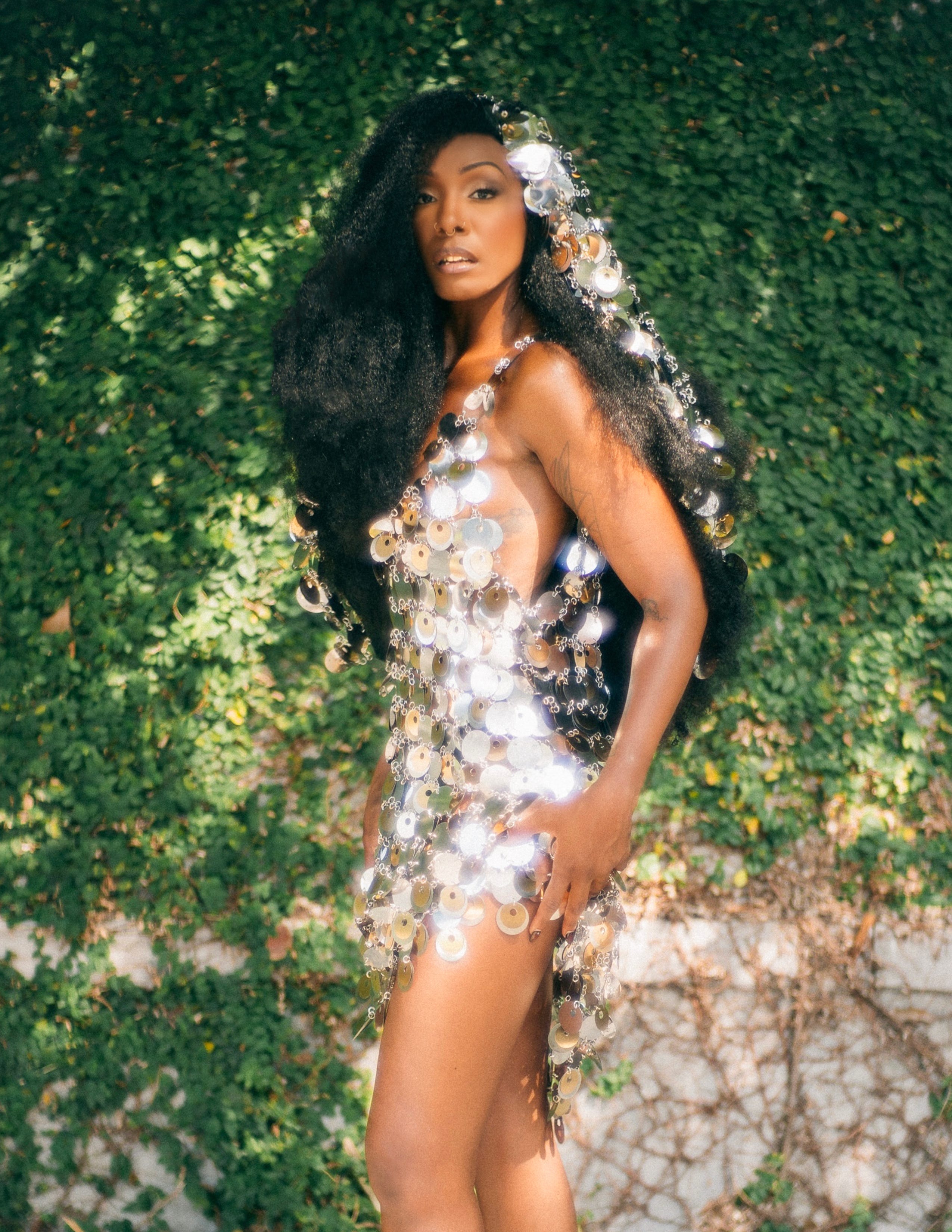
If she’s “outside” in the streets, she says you’ll find her supporting the next artist’s concert, the next show, the next person trying to build something. It’s an idea that takes us right back to Danity Kane, five women sitting together sewing costumes because they believed in what they were creating before everyone else did.
The circumstances are different now. The instinct isn’t. For Dawn Richard, independence has never meant isolation. It’s meant having enough conviction to build her own thing and enough generosity to bring her community with her along the way.
What She Wants To Leave Behind
Near the end of our conversation, I ask Richard what she wants people to remember about her. Her answer isn’t about her solo albums, Danity Kane, the performances, the career milestones, or the innovations.
“I want them to remember that I was good. That I was kind. That I was good to people. The rest is the bonus, but if I was, at my core, good to people, then I did my job. I wanna be a good person.”
After everything she has accomplished, the legacy Richard imagines for herself is surprisingly simple.
Maybe that’s the part of Dawn’s story that makes everything else click. For all the conversation about innovation, independence, and being ahead of the curve, her idea of success ultimately comes back to people. The work matters. So does what the work allows her to build for the future of the culture.
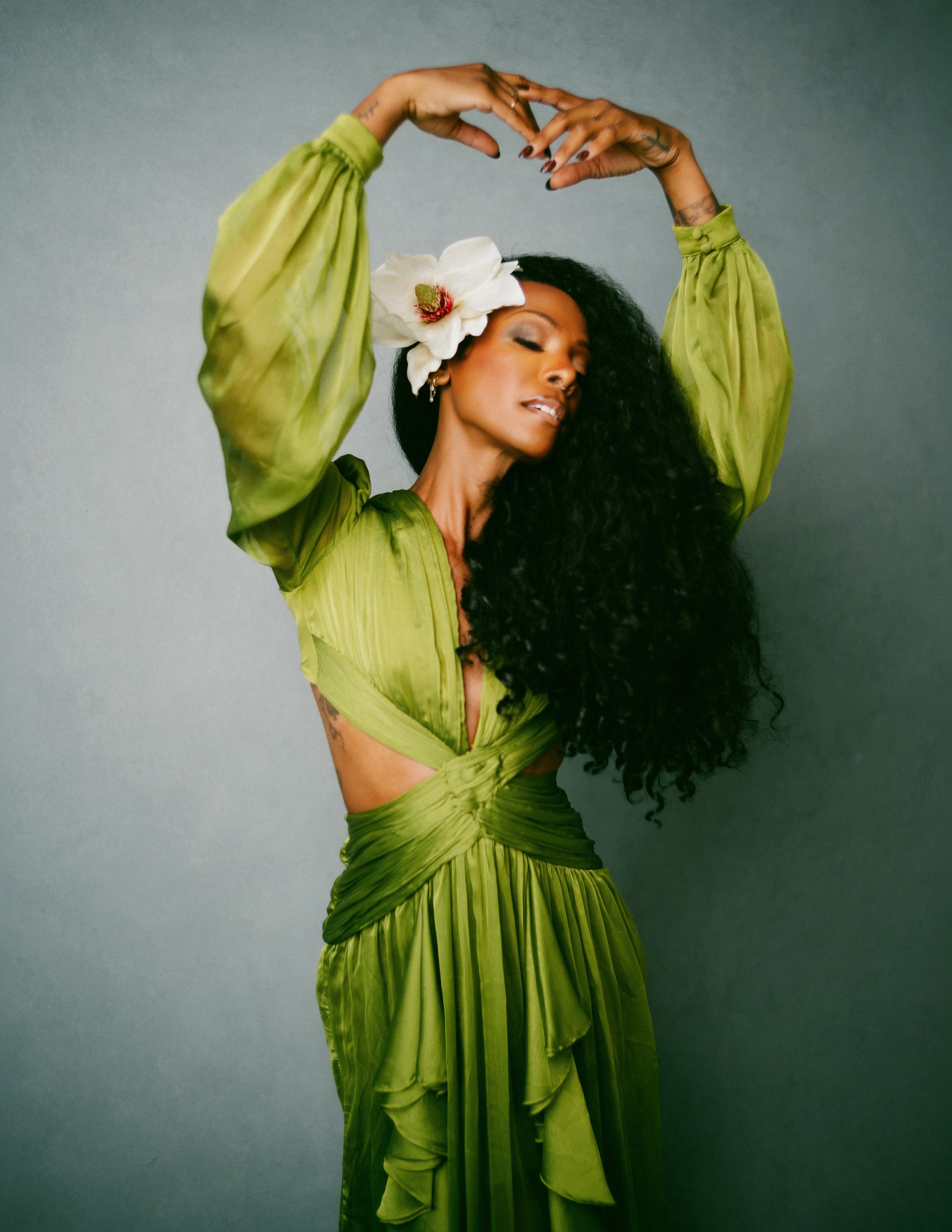
We chose to style Dawn’s hair with a magnolia flower during this shoot. As Louisiana's state flower, the magnolia symbolizes perseverance, dignity, and nobility. Very fitting, right?
As our time comes to a close, she turns her attention to YAMS.
“Thank you for supporting artists that don’t get platforms,” she tells me. “Thank you for leaning into talent when the talent feels like they should stop, and this one moment gives them a reason to continue. Thank you for spending your own money to lift others. Thank you for doing it with quality, because you could do it and it looked tacky. Thank you for meeting people where they are, and thank you for seeing the value of one-on-one in-person contact.”
It’s an unexpected moment in the interview, but one that brings our conversation full circle. Dawn knows what it means to have someone believe in your work before the rest of the world catches up. Anthony Hamilton did it for her. She found it again with the women of Danity Kane and others along her journey. Now, nearly two decades into her career, she understands exactly how much those moments can matter.
“Thank you for believing in authenticity. Thank you for being on the plate and not just being the sweet thing, but also being the meat and potatoes. And thank you for still recognizing my art and my vision 20 years later.”
It’s funny, generous, and unmistakably Dawn.
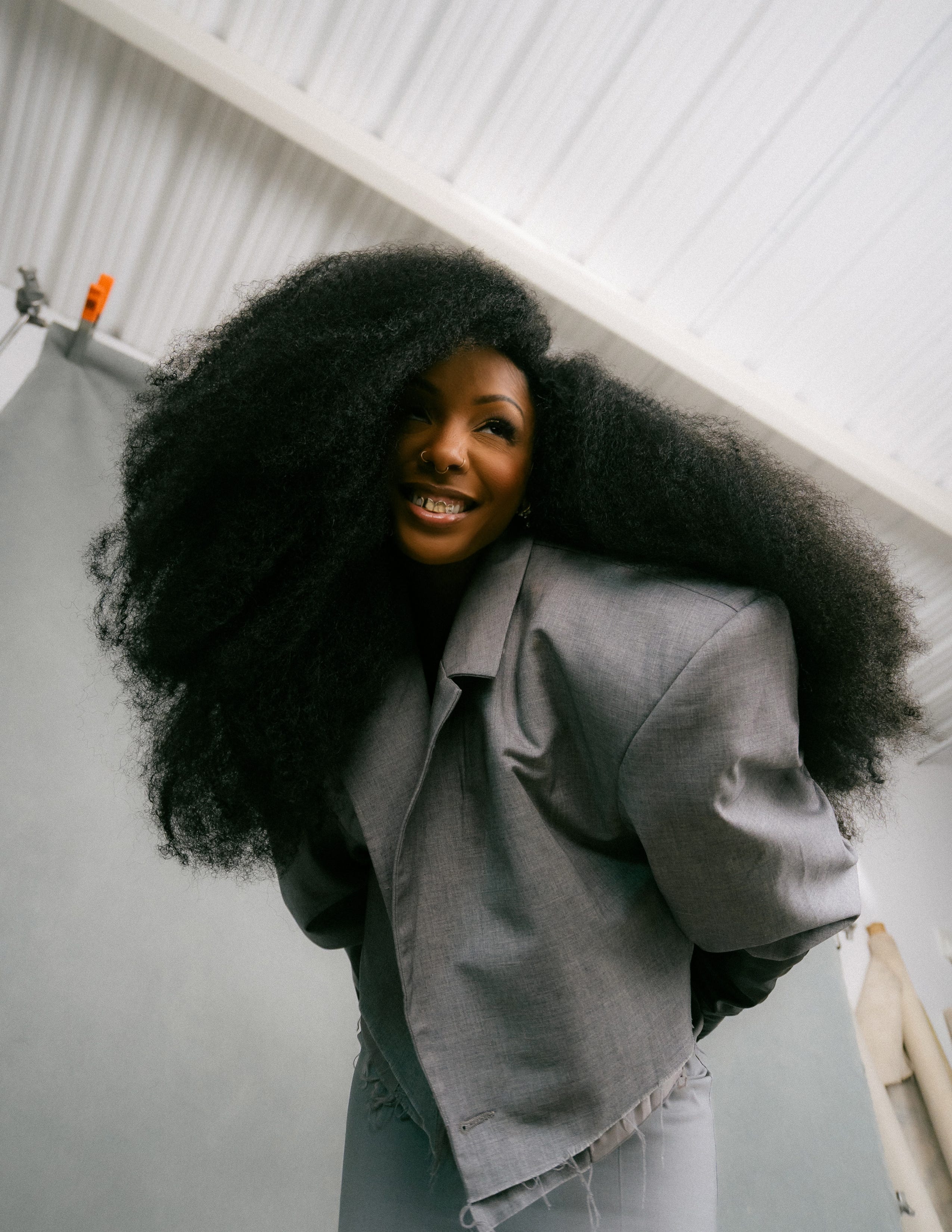
Dawn Richard has been a pop star, girl-group member, songwriter, solo artist, producer, collaborator, indie artist, and innovator. She has spent years proving there is more than one way to build a career in the arts. Now, she seems increasingly interested in what else she can build with everything she has learned along the way.
With Creole Culture, she isn’t simply looking backward at the city that made her. She’s taking everything that came before — her father’s music, her mother’s dance school, the language, the sounds, the streets, the people, the struggle, the joy, the generations of Black innovation — and asking what it can become next.
That’s the cool thing about culture. It doesn’t stay still. It gets passed down. It gets remixed. Flipped. Reversed. It gets protected. Challenged. It gets loved enough to be changed.
And in Dawn Richard’s hands, New Orleans isn’t just where the story began. It’s what she’s still building from.


Credits:
Photographer: Corey Anthony
Stylist: Taylor Lewis
Creative Director: Dante Nicholas
Hair: Nadia Mays
Makeup: Jessica Harris
Photo Assistant: Kai Nadirah"
Video Director: Jonai Casso Jackson
Executive Producer: Dante Nicholas
Writer: Dante Nicholas